I will be demonstrating this weekend at this local event:

The event web site : www.medievalfayre.com
From the 'Living in a Medieval Village' part of the event web site:
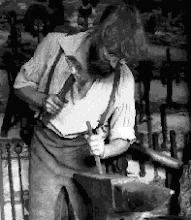
Metalsmiths
The metalsmith, sometimes called blacksmith, had to first make his tools before he could make metal parts such as horseshoes, nails and door hinges. A blacksmith was named because he was a 'smith' who worked in the "black" metal, namely iron. The "white" metals were tin, silver or gold.
It could take a smith as much as a year to make a full suit of armour for a Knight. If everything didn't fit just right, it could be dangerous.
The Medieval Blacksmith made a huge variety of items and objects which included:
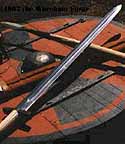
• Medieval Weapons including swords, daggers, lances, arrow heads etc.
• Siege Weapons
• Medieval Armor and shields
• Tools
• Nails
• Church and Castle Doors - hinges, locks and keys
• Instruments of torture and chains
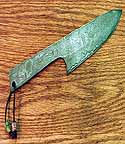
• Household objects including knives, light fittings, pokers etc.
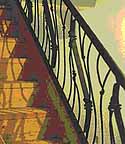
• Ornaments, Jewelry & Decorative Objects
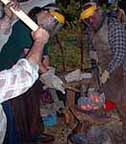
I will be working the reconstructed Norse sand table forge seen above, plus have a display of tools, domestic objects and weapons from the Viking Age :
Education Days - Thursday & Friday : 10 A - 3 P
Festival Days - Saturday & Sunday : 10 A - 4 P
No, I did not write the descriptive text above!
AFTER the event:
It rained. And it poured. And the field was mud - where it was not standing water.
But the kids came and were interested, the sun came out for a couple of hours into the afternoon Sunday so at least the canvas was packed up dry.




 Posts
Posts



No comments:
Post a Comment